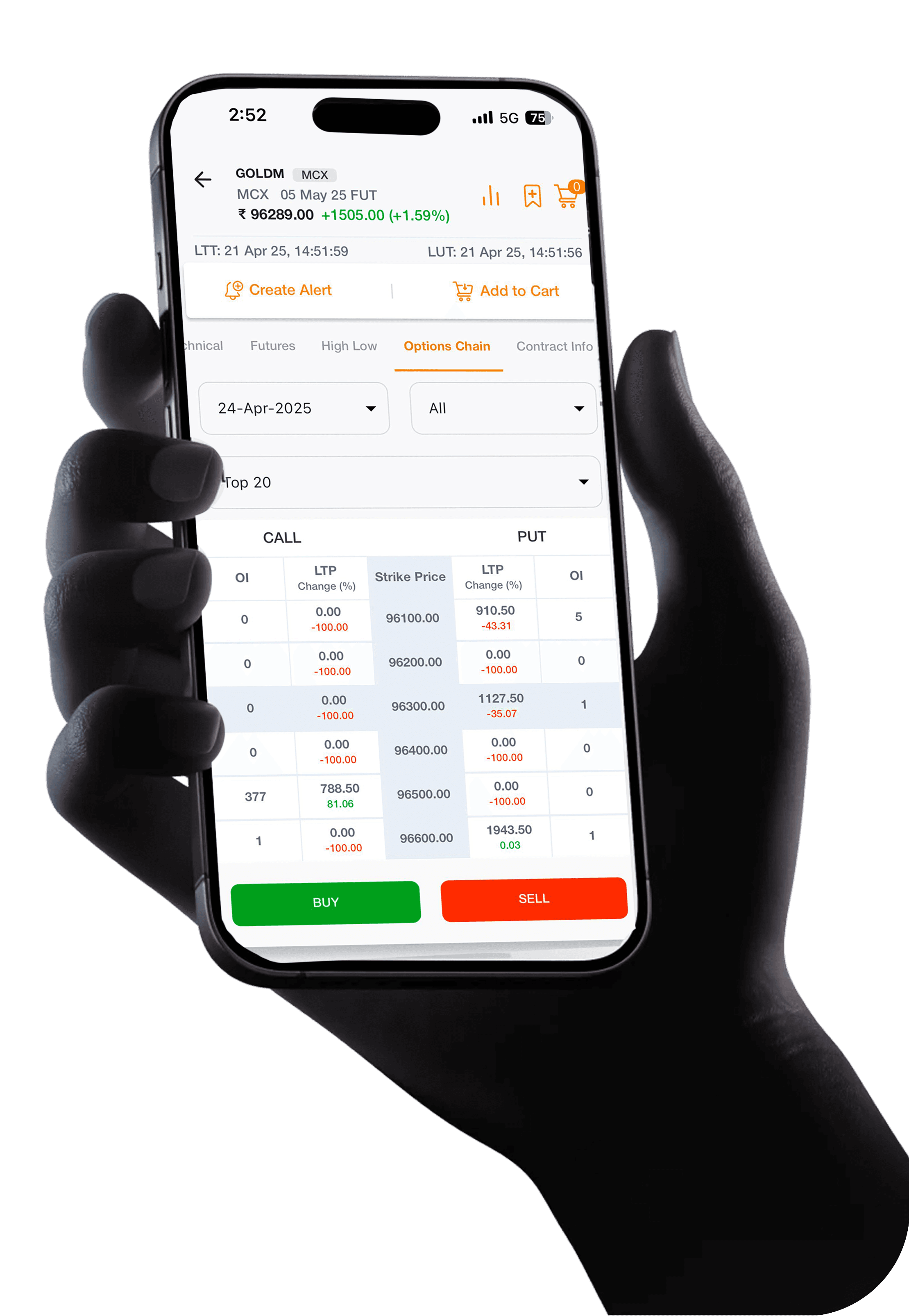
Most investors think there are only two things to do with the shares sitting in their Demat account: hold them or sell them. There is actually a third option that few people talk about, lending them out for a fee. This is exactly what the Stock Lending and Borrowing mechanism allows, and it has quietly become an important part of how the Indian stock market functions.
In this guide, we will break down what stock lending and borrowing mean, how the process works on exchanges like the NSE and BSE, who can use it, and what investors should keep in mind before participating.
SLB At A Glance
- The Goal: Earn passive income (lending fees) on long-term stock holdings that are sitting idle in your Demat account.
- Safety First: 100% guaranteed by the exchange's Clearing Corporation. Borrowers must put up over 100% collateral.
- Taxation: Lending your stock is not a capital gains event, but the fee you earn is taxed as regular income.
- Eligibility: Primarily highly liquid stocks that trade in the Futures & Options (F&O) segment, along with select ETFs.
What Is Stock Lending and Borrowing?
Stock Lending and Borrowing (commonly abbreviated as SLB) is a regulated arrangement where one investor lends their shares to another investor for a fixed period in exchange for a lending fee. The borrower gets temporary access to the shares, while the lender continues to enjoy key economic ownership benefits like dividends, even though the shares are technically in someone else's hands for the duration of the contract.
It helps to think of it the way you would think of renting out an asset. The lender does not give up underlying ownership of the shares; they simply allow another party to use them temporarily, much like renting out a property while still owning the title deed. At the end of the agreed tenure, the borrower has to return the exact same securities to the lender.
In India, this entire process is known as the Securities Lending and Borrowing Scheme (SLBS), and it is strictly regulated by the Securities and Exchange Board of India (SEBI). It is executed directly on the stock exchanges and settled through their clearing corporations, which makes it considerably safer than a private, unregulated arrangement between two parties.
A Brief Background
Before this formal mechanism existed, India had an informal system of carrying forward trades known as "Badla," which operated mainly on the BSE. Badla was eventually phased out due to concerns around transparency and systemic risk. To replace it with a safer, regulated alternative, SEBI introduced the Securities Lending Scheme in 1997, which was later refined into the current robust, exchange-traded SLB framework.
Unlike many other countries, where securities lending is typically an over-the-counter (OTC), privately negotiated product between large institutions, India's stock lending and borrowing mechanism is entirely exchange-traded. Every trade is matched on an anonymous screen-based order book and guaranteed by the clearing corporation. This clearing guarantee is one of the reasons the Indian SLB market is considered exceptionally secure.
Why Do People Borrow Shares in the First Place?
There are a few common reasons traders and institutions borrow shares through this facility:
- Short selling: A trader who expects a stock's price to fall can borrow shares, sell them in the market, and buy them back later at a lower price to return to the lender, pocketing the difference.
- Arbitrage strategies: Traders sometimes need shares temporarily to misprice and exploit differences between the cash and derivatives (Futures) markets.
- Meeting delivery obligations: If a seller faces a temporary shortage of shares for a regular settlement, borrowing through SLB helps them complete delivery without facing heavy auction defaults.
On the other side, lenders participate mainly to earn an extra yield on shares they already plan to lock away for the long term anyway. Instead of letting those shares sit idle in a Demat account, lending them out lets an investor generate cash flow without selling the underlying investment.
How does the Stock Lending and Borrowing Mechanism Work?
Here is a simplified walkthrough of how an SLB transaction typically plays out on the exchange:
1. Eligibility Check:
Only securities approved by the exchange qualify for SLB. These are almost exclusively stocks available in the Futures & Options (F&O) segment, along with select index-based ETFs that meet strict liquidity criteria.
2. Placing an Order:
A lender or borrower places an order through their broker on the exchange's SLB trading screen. The lender specifies the quantity, tenure (up to 12 months), and the lending fee per share they are willing to accept.
3. Order Matching & Collateral:
The exchange matches lend and borrow orders automatically based on price-time priority. To protect the lender, the Clearing Corporation mandates that the borrower provide over 100% collateral upfront in the form of cash or margins.
4. First-Leg Settlement:
Once matched, the shares are debited from the lender's Demat and moved to the borrower on a T+1 basis. Concurrently, the borrower pays the agreed lending fee, which is credited directly to the lender's account.
5. Reverse-Leg Settlement:
On the specified reverse-leg settlement date (usually the first Thursday of the expiry month), the borrower must return the same quantity of securities. The Clearing Corporation handles the clearing and routes the shares back to the lender's Demat.
Who Can Participate in SLB?
Stock lending and borrowing in India is open to a wide base of participants, including:
- Retail investors with a Demat account and a registered SLB-mapped broker
- High-Net-Worth Individuals (HNIs) and family offices
- Mutual funds, insurance companies, and alternative investment funds
- Foreign Portfolio Investors (FPIs), subject to regulatory guidelines
To take part, an investor generally needs to activate the SLB segment with their broker. Most full-service brokers and several modern share market apps today have built-in options to lend out shares directly from your holdings screen, making the process highly accessible to everyday retail investors.
Corporate Actions, Recall, and Taxes
While the process is highly automated, there are three critical practicalities every investor must understand:
1. How Corporate Actions Work (The "Manufactured" Dividend)?
Because your shares physically leave your Demat account when lent, the company's registrar will see the borrower as the owner on the Record Date. However, SEBI rules protect the lender's financial benefits completely:
- Dividends: The clearing corporation automatically collects the dividend amount from the borrower's ledger and passes it to the lender as a "manufactured dividend." You still receive the exact money, though it comes via the exchange rather than directly from the company.
- Bonus & Splits: The exchange automatically adjusts the SLB contract. If you lent 100 shares and a 1:1 bonus is declared, the borrower is contractually obligated to return 200 shares to you at maturity.
- Voting Rights: You temporarily give up your corporate voting rights (like voting at an AGM) for the duration of the period the shares are lent out.
2. Early Recall vs. Early Repayment:
Lenders have a legal right to request their shares back early via a "Recall Order," and borrowers can similarly repay early. However, early recall is highly dependent on market liquidity. If you recall early, you must bid a premium (fee) on the exchange screen to essentially buy out the remaining contract time. If no matching counterparty is available, your recall will not execute. Therefore, it is best to only lend shares you are certain you will not need to sell in a hurry.
3. The Tax Angle:
According to Section 47(xv) of the Income Tax Act, the act of lending out your shares under the SEBI scheme is not treated as a 'transfer' (sale). This means lending your shares will not trigger any capital gains tax liabilities. However, the lending fee you earn is fully taxable and is generally classified as "Income from Other Sources," taxed at your applicable income tax slab rate.
Benefits and Risks
The Safeguard: In the rare event that a borrower defaults or fails to return the shares at maturity, the Clearing Corporation steps in. They will execute a financial buy-in auction to purchase the shares from the open market using the borrower’s collateral and return them to you. If the auction fails, they financially close out the trade by compensating you at a premium rate determined by the exchange.
For Lenders
- Pros: Generates a completely passive, low-risk yield on idle equity holdings without needing to alter your long-term investment horizon.
- Cons: Lending fees fluctuate based on daily market demand; early recall can be clunky or expensive if liquidity dries up.
For Borrowers
- Pros: Provides a transparent, legal, and institutionalized mechanism to access short inventory without relying on unorganized, risky off-market credit lanes.
- Cons: High margin requirements and daily Mark-to-Market (MTM) margin obligations mean a sharp spike in stock price can trigger rapid margin calls.
Conclusion
Stock Lending and Borrowing fills a crucial gap in the Indian financial ecosystem by giving long-term investors a tool to monetize their idle portfolios, while equipping advanced traders with a regulated mechanism to short sell or arbitrage. Backed by SEBI's rigid oversight and the clearing corporation's absolute settlement guarantee, SLB is an efficient addition to any serious investor's toolkit. If you have a solid understanding of market cycles and own stable, long-term F&O-eligible holdings, checking your broker's SLB portal could open up a predictable secondary stream of passive income.