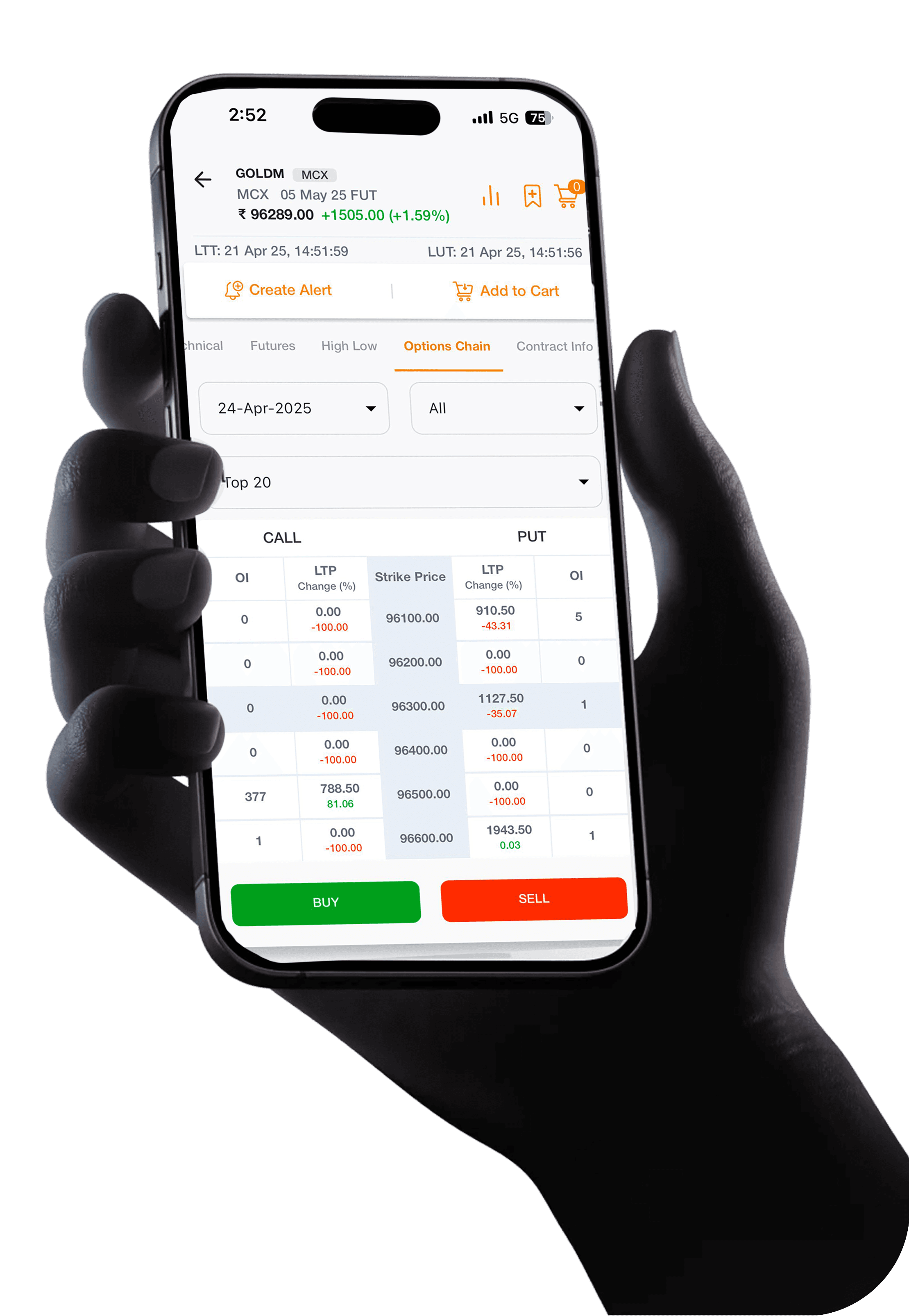

The popularity of stock market investing has increased substantially, and more people are taking steps to become active market participants. However, many newcomers find the procedures and vocabulary associated with the markets overwhelming. One critical example of this complexity is the term ' Demat account.'
In this blog, we'll go over the definition of a Demat account, its main characteristics, and how it helps investors, especially those with limited experience in the capital markets.
Understanding the Meaning of a Demat Account
At the simplest level, a Demat account (short for 'dematerialised account') is an electronic account used for digitally storing financial securities. Before the era of dematerialisation, securities like stocks and bonds used to be kept as tangible paper certificates. This created several issues, such as the possibility of damage, theft, or loss. Through dematerialisation, such paper certificates are transformed into electronic forms, facilitating safe and easy trading and securities holdings. The Demat account is a safe store for these dematerialised securities.
Take a look at this simple example: Consider purchasing stock in Reliance Industries. Instead of being physically certified, the shares are electronically deposited to your Demat account as soon as you buy them through a stockbroker. Likewise, if you choose to sell these shares, they will be instantly taken out of your account. Transactions are made simpler, and less paperwork is produced using this electronic method.
Features of a Demat Account
Demat accounts offer several crucial features designed to make investing easier and safer:
- Electronic Storage: By storing all securities—including stocks, bonds, mutual funds, and exchange-traded funds (ETFs)—digitally, risk factors connected with physical certificates are greatly decreased.
- Simple Transfer and Trading: Online transactions are rapid and hassle-free when it comes to buying or selling securities.
- Unified Portfolio Management: Managing many securities in a single account makes portfolio management easier for investors.
- Automatic Updates: To make sure you never miss any significant developments, corporate actions, including rights issues, stock splits, dividends, and bonus shares, are automatically reflected in your Demat account.
- Nomination Facility: In the event of unfavourable circumstances, investors may nominate beneficiaries, guaranteeing a seamless and hassle-free transfer of assets to loved ones.
Benefits of Opening a Demat Account
Understanding the practical advantages of a Demat account can help investors appreciate its importance:
- Increased Security: There are several hazards associated with physical share certificates, such as theft, loss, or unintentional damage. These dangers are eliminated by using electronic securities in a Demat account. Strict security procedures also guarantee that your investments stay private and safe.
- Convenience and Accessibility: As long as they have internet connectivity, investors can trade securities at any time and from any location with a Demat account. Investors are able to react swiftly to market possibilities because of the ease of access.
- Fast and Efficient Trading: Demat accounts simplify trading by enabling quick transactions. Instantaneous share transfers significantly cut down on transaction times. For instance, in India, the time it takes to settle shares has decreased to T+1 days , which means that trades settle one working day after they are executed.
- Cost effectiveness: Demat accounts eliminate transaction costs like handling, mailing, and stamp fees associated with actual share certificates. This lowers the cost of trading, particularly for investors with diversified portfolios or those who trade frequently.
- Simple Tracking and Management: Managing investments is made easier with a Demat account. Brokers offer investors user-friendly online interfaces for viewing and managing their investments. This transparency allows investors to stay better informed and make wise choices
How to Open a Demat Account
Opening a Demat account involves a straightforward process, which typically includes the following steps:
- Choose a Depository Participant (DP): Select a trustworthy Depository Participant, (typically a bank or stockbroking company) approved by central depositories such as CDSL or NSDL.
- Fill out the application: Complete the online or physical account opening form that your chosen DP has provided.
- Send in the necessary documents: Provide the required paperwork, such as your passport-sized photos, proof of address (bank statements, utility bills), proof of identification (voter ID, Aadhaar card, etc.), and PAN data.
- Verification Procedure: To verify your identification and the legitimacy of the documentation you have supplied, your DP may perform an online or in-person verification procedure.
- Get Account Credentials: You can begin trading right away after receiving your Demat account information, including an account number and login details.
Why Should New Investors Get Demat Accounts?
A Demat account gives people who are new to the stock market a gradual introduction to investing. Electronic securities management offers organisational simplicity and ease of use, which is very advantageous for beginners. By eliminating their fear of paperwork, they can concentrate more on understanding market dynamics.
For instance, a young professional just starting out in the workforce can use their Demat account to make a modest initial investment in mutual funds or exchange-traded funds (ETFs). Over time, this fosters greater financial discipline, encouraged by the convenience of transactions and clear visibility of their expanding portfolio.
Demat Accounts: A Modern Necessity
For investors of all skill levels, demat accounts reflect a major advancement in the simplification of financial markets. More people are encouraged to engage in the financial markets with confidence thanks to Demat accounts, which offer safe, practical, and effective investment management. Understanding and using a Demat account is essential for successful financial management and reaching your long-term investing objectives, regardless of your level of experience.